
Katy's starting point for her doctoral research was her experience as a history teacher in the classroom which focused on disciplinary knowledge. Disciplinary historical knowledge is knowledge constructed using the historical method: a human subject (usually an historian) engages with an archive of historical evidence to ask questions about the past and construct an historical account. Prior to her doctoral work, Katy saw her role as a history teacher as an expert facilitator who guided students toward asking their own questions of the past and understanding how the past was (and continues to be) constructed by historians. Her doctoral work shifted her perspective and led to the ideas behind Crafting History.
Doctoral Research Project
Starting point: Historical significance
The project focused on a specific aspect of disciplinary historical knowledge: historical significance. Historical significance is assigned to the past by a somebody in the present; it is part of the process of engaging with the historical archive. This makes historical significance a judgement. The over-riding aim of the project was to trouble this understanding of historical significance and see how else the past emerged as significant for students beyond their judgements.

The project collected data from two history classrooms in the same school where students were learning about the causes of World War One. The purpose of the study was not about the content of the lessons, it was about how historical signifiance emerged in the classroom as something more than a judgement; however, the content of the lessons is key to a lot of the data. Five key causes of World War One (militarism, alliances, imperialism, nationalism and the assassiantion of Franz Ferdinand in 1914) frame much of the discussion about historical signifcance.
Disruption
An ontological haunting

The project is the result of an ontological haunting. Ontology is a branch of metaphysics and is to do with the nature of being. The post-qualitative theorist Elizabeth St. Pierre uses the phrase ontological haunting to describe a persistant idea about existence that is worthy of further investigation or thought. It is not a personal, internal feeling; it is something external, something that happens to you, a haunting.
Indigenous knowledge

Indigenous knowledge or ways of knowing are the knowledge systems of different Indigenous people all around the world. This research project was particularly influenced by the Indigenous knowledge of the peoples of North America, specifically the west coast of Canada, and the ways the past becomes significant for them. This influence contributed to the ontological haunting as it revealed to Katy how there are many valid ways of coming to understand the past that sit outside the discipline of History.
Theories of time

To disrupt what we think about historical signifiance we must look beyond the traditional theories of time used by History and history education. There is a "common sense" assumption that time passes in a linear fashion and the past is separate from the present. But if we stop to think about it, there is nothing to indicate to us in our day-to-day lives how the present becomes the past. Alternative knowledge systems show us there is no such thing as "common sense" when it comes to time.
Destabilizing time

This project used a destabilizing theory of time. This means the boundaries separating the past, present, and future collapse, and the past can return in the present. The destabilizing theory of time comes from the French philosopher Gilles Deleuze, but the process of reaching this position was informed by Indigenous scholarship's critique of the discipline of History.
A useful way to think about destabilizing time is as a wave: a relentless force that rolls and unrolls, never beginning, never ending, always becoming. This wave disrupts the historical process because there is no separation between the past and the present, and the way judgements of historical significance are made.
Concepts
A destabilizing theory of time requires different concepts that pay attention to the wave that rolls and unrolls.
Affect
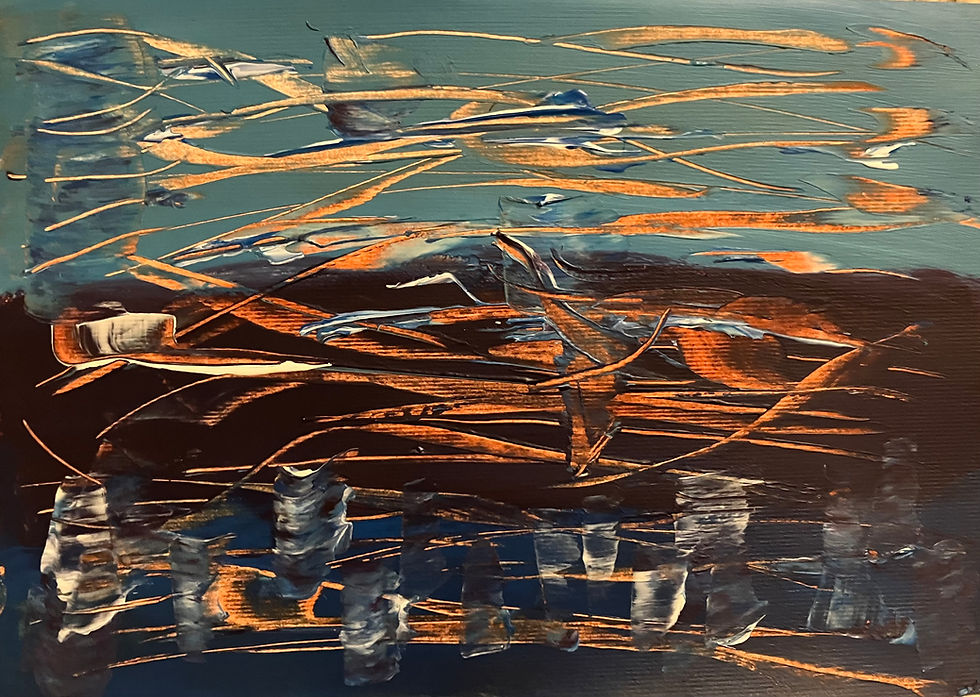
Affect is similar to the feeling of déjà vu; it is a shudder or a glitch in the matrix. Kathleen Stewart describes affect as the nagging feeling you have that something is not quite right. Attuning to affect is about paying attention to these glitches.
Assemblage

An assemblage is a way of talking about a collection of things, both human and non-human, material and theoretical. It is a method for thinking with a destabilising theory of time where the past, present, and future are entangled and everything is at surface level.
Craft

Crafting has many definitions and modalities but something that ties the different strands together is the idea of making; to craft is to make and create. Crafting is a method for attuning to affect and making assemblages. It is an alternative way of framing thinking and analysis in research.
Classroom assemblage
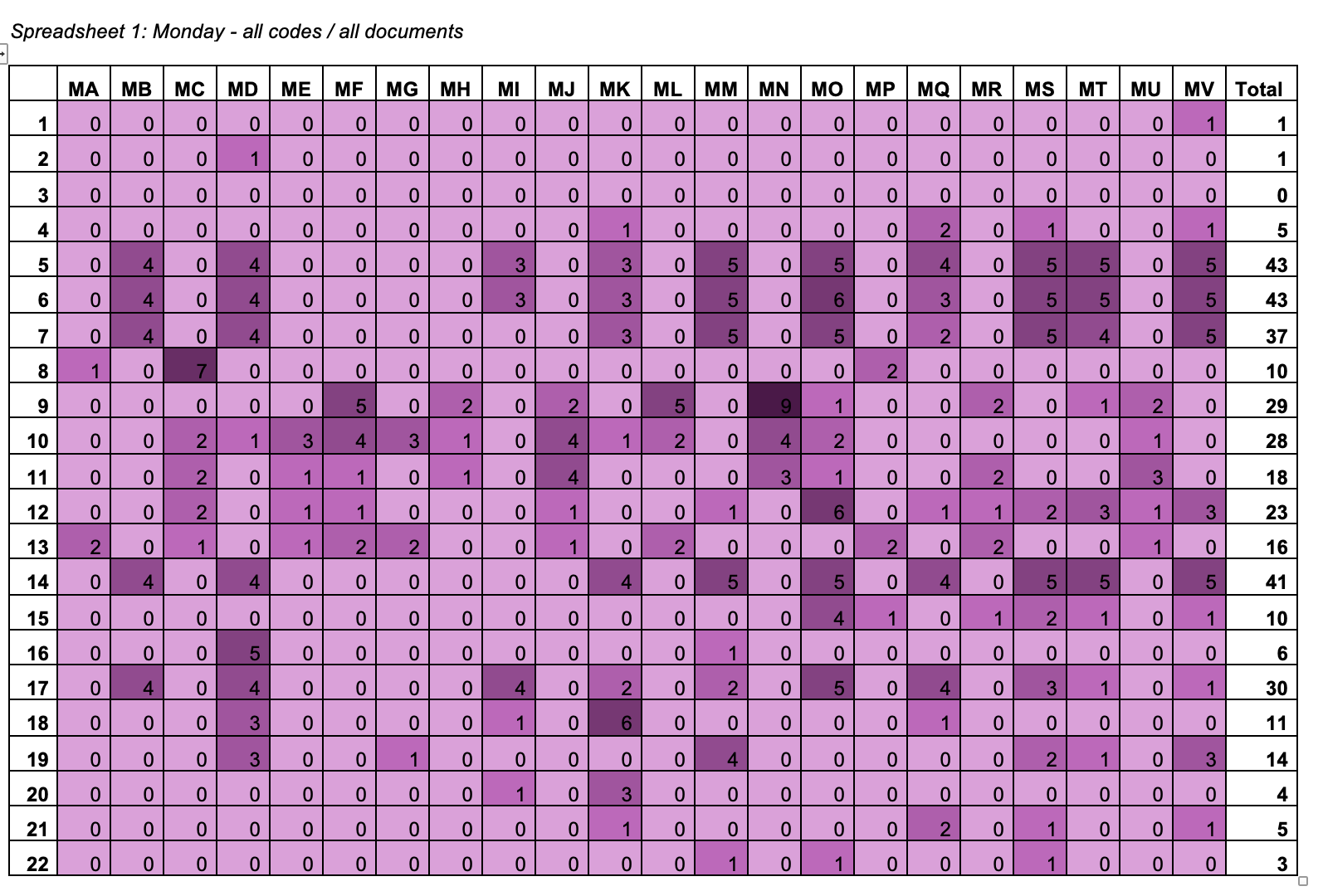
The classroom assemblage is a way of talking about the history classroom as a space where human and non-human objects and the past and the present are entangled. A whole range of different methods, some conventional, some arts-led, were adopted to try to gather as much material about the classroom assemblage as possible. Some of these methods were about judgements of historical significance, some paid attention to moments of affect in the classroom, and some were opportunties for particpants to craft their responses about the classroom and the past.




Research assemblage
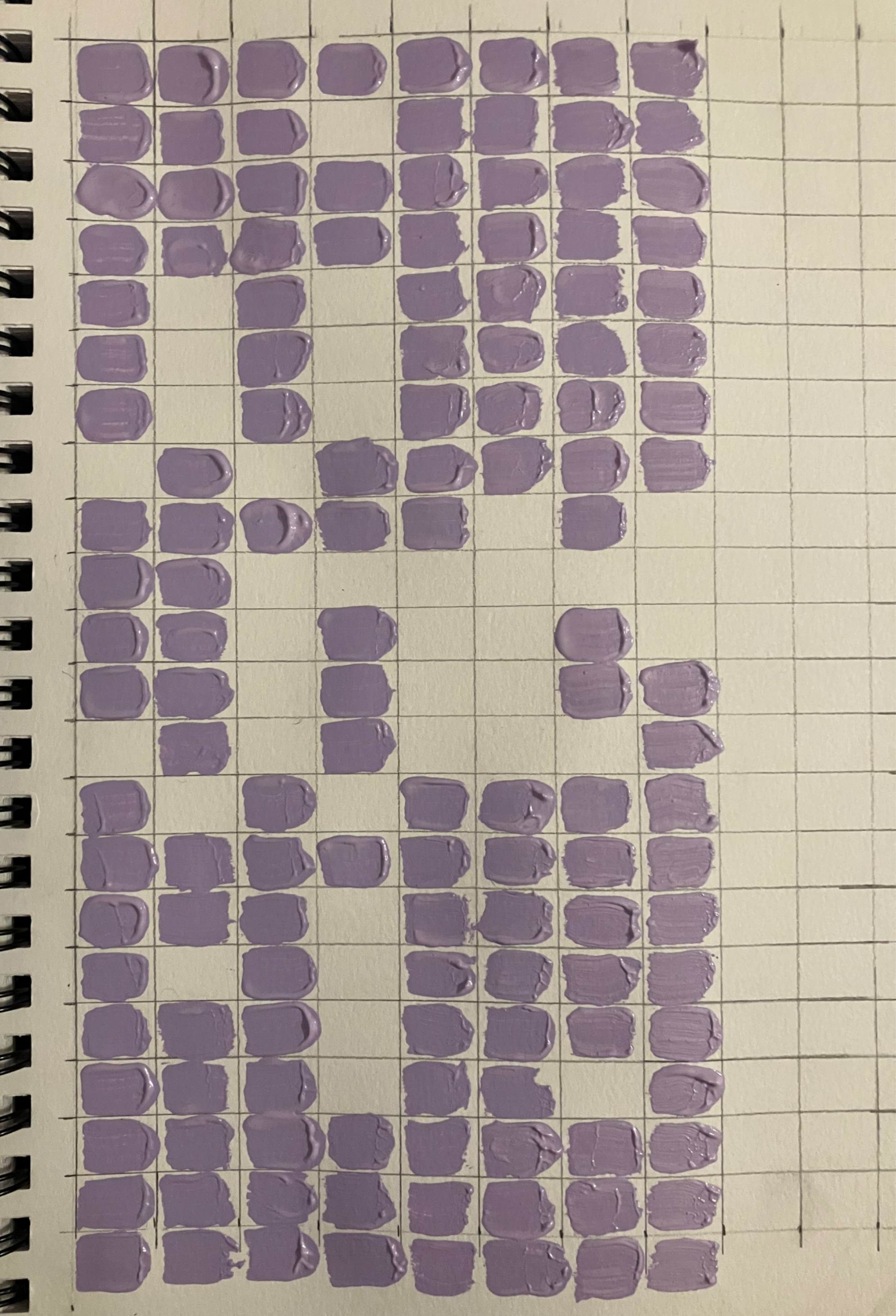
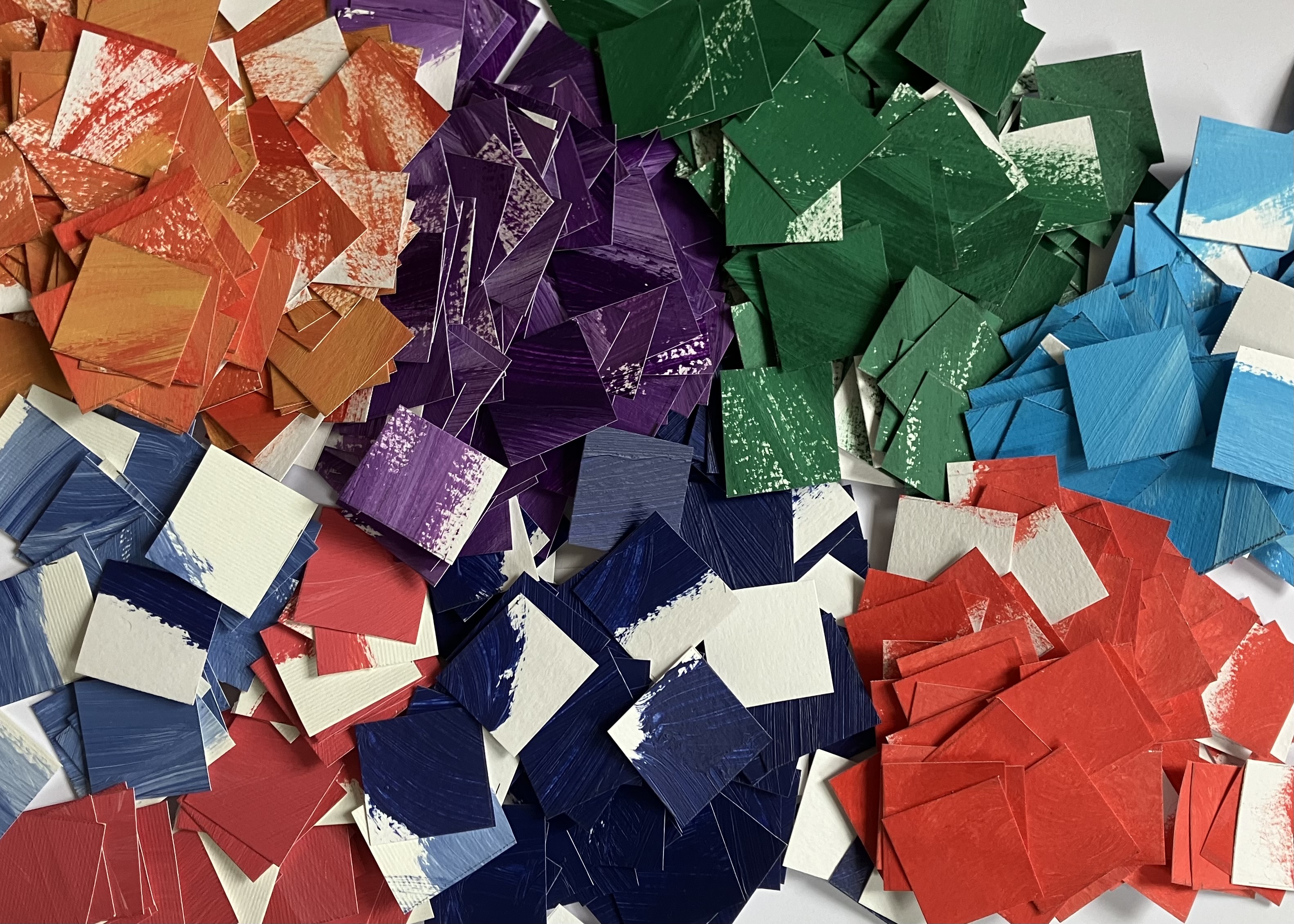
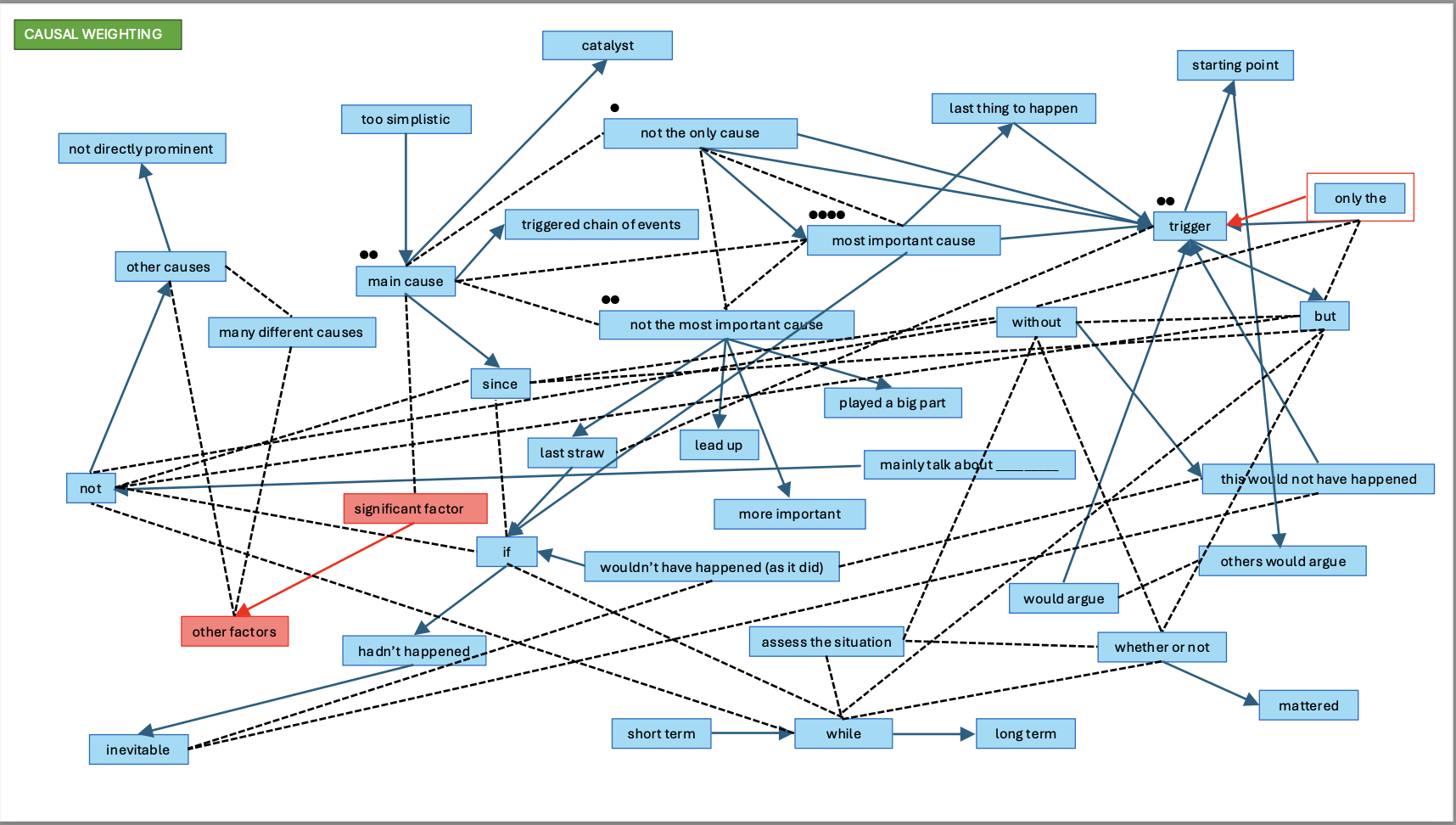
The research assemblage is a way of talking about the research process. Often this process follows a well-worn path: collect data, code data, find themes, interpret meaning, disseminate results. Just as a destabalizing theory of time plays havoc with judgements of historical significance, it also disrupts the research process. This project re-framed the research process as an assemblage that included collecting, collating, crafting, and curating material using affect and assemblage as guiding concepts. The research process saw creative decisions as part of the analytical process and leaned into arts-led and crafting practices to challenging thinking, findings, and outcomes.


.png)


Experimenting with form


The creative methods used to think about the material collected from the classroom assemblage revealed how important form is in research. A graph is a form, a spreadsheet is a form, a doodle is a form, an image is a form. Giving something form makes it hang together and mean something. Images are affective and becoming forms. An experience of an image is like the wave of destabalizing time; it rolls and unrolls, changing with each view. Unlike more conventional figures e.g. graphs or tables that represent meaning, images preserve affect and are unpredictable.


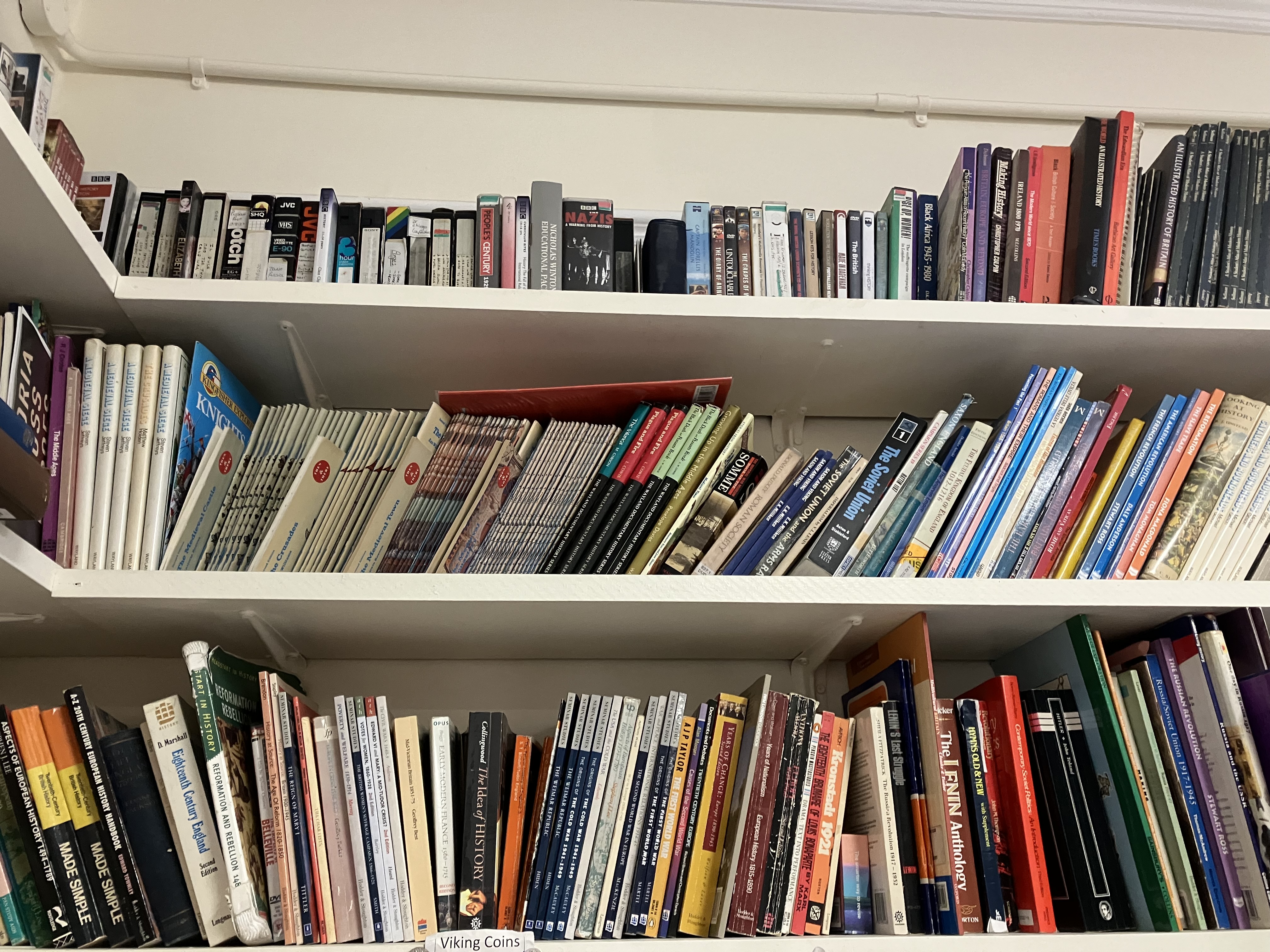
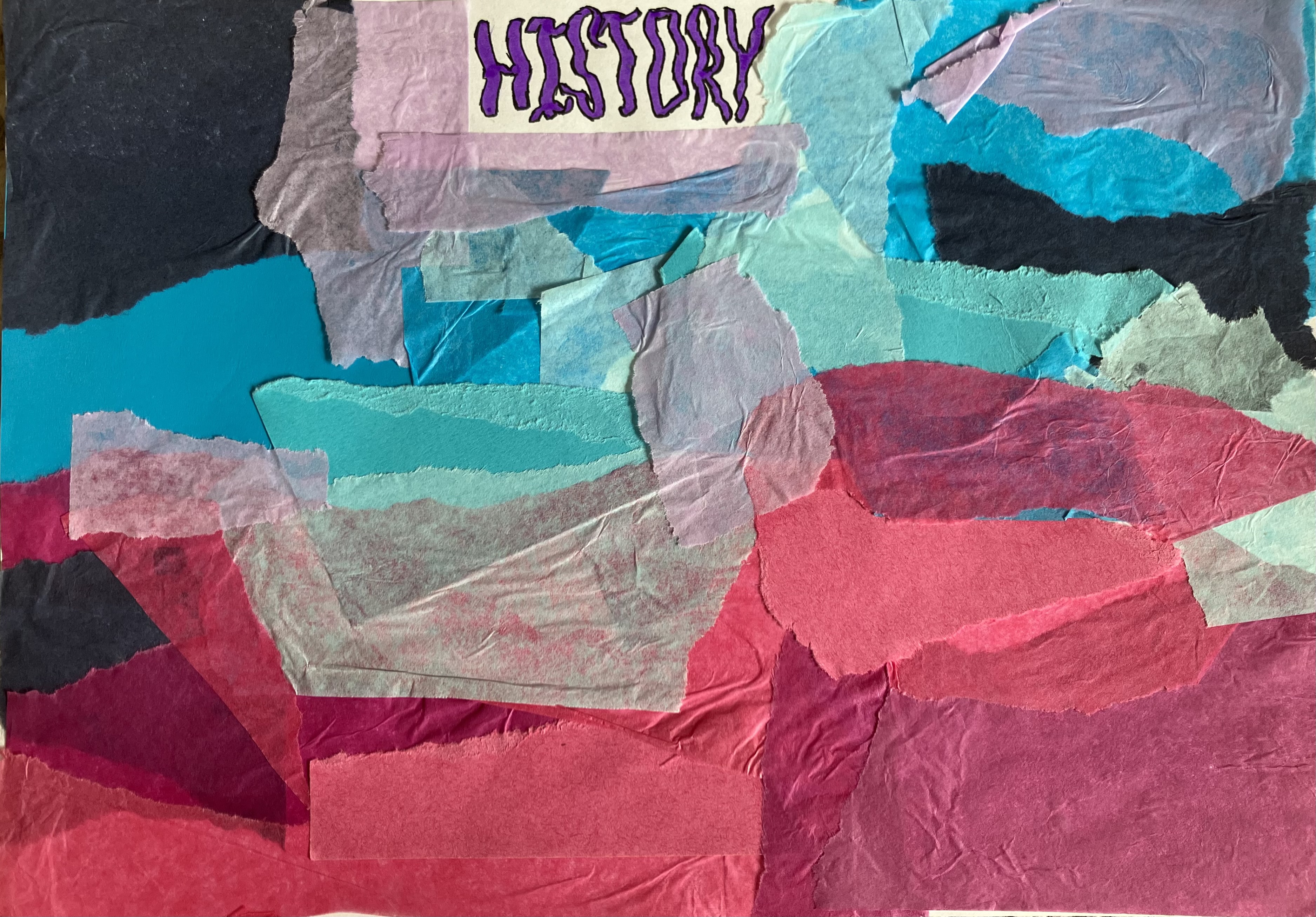
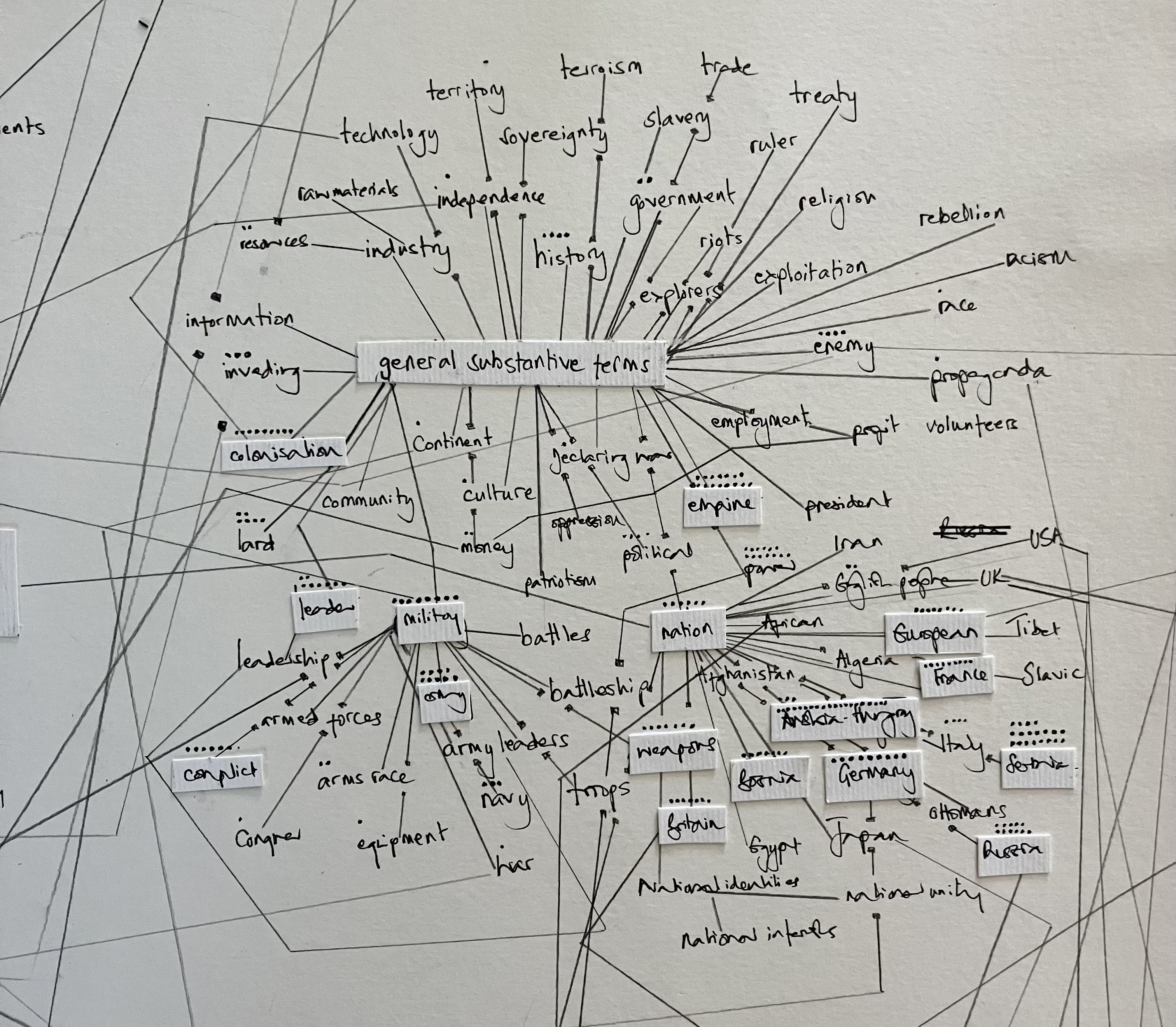
Historical Affect Assemblage

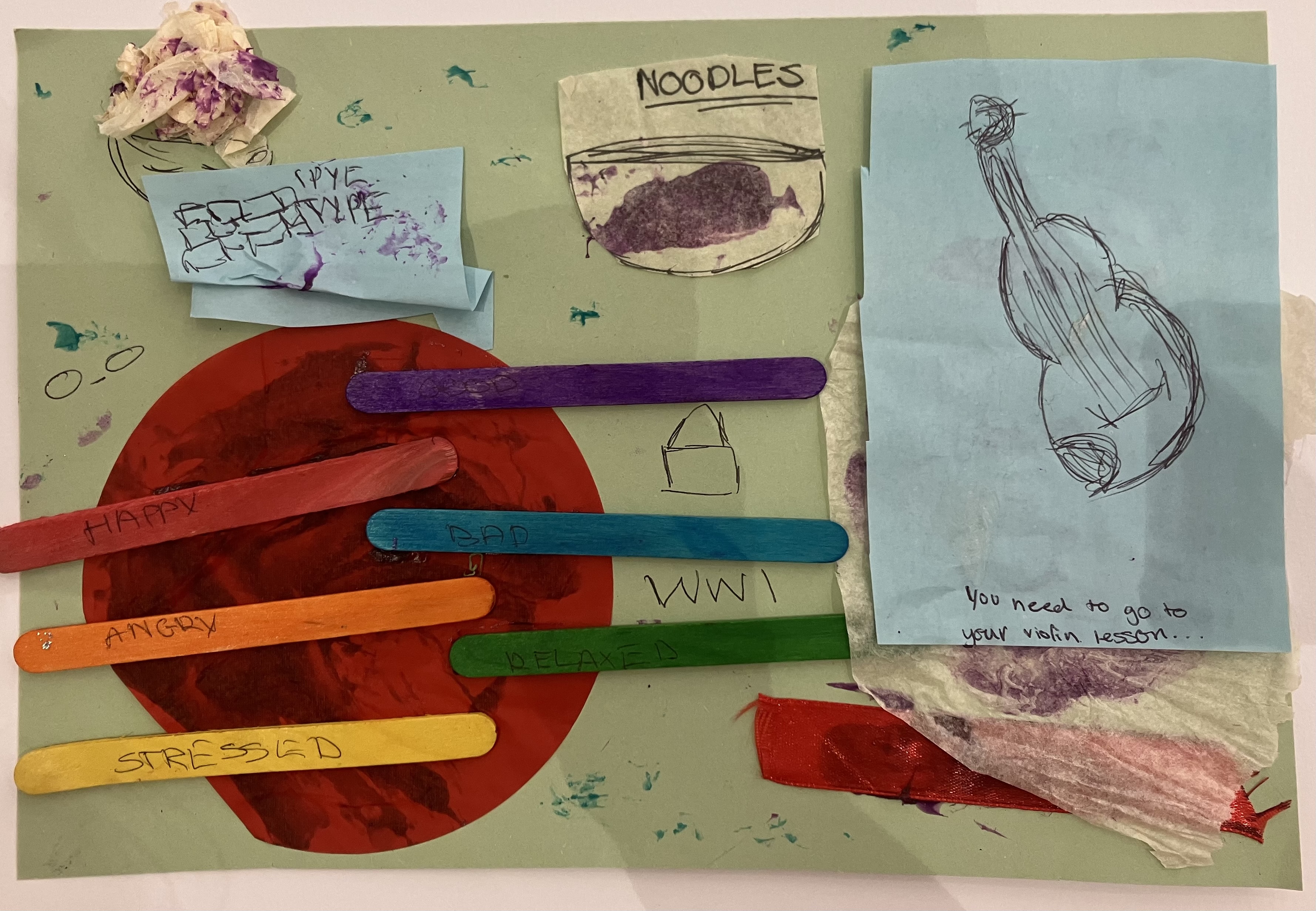
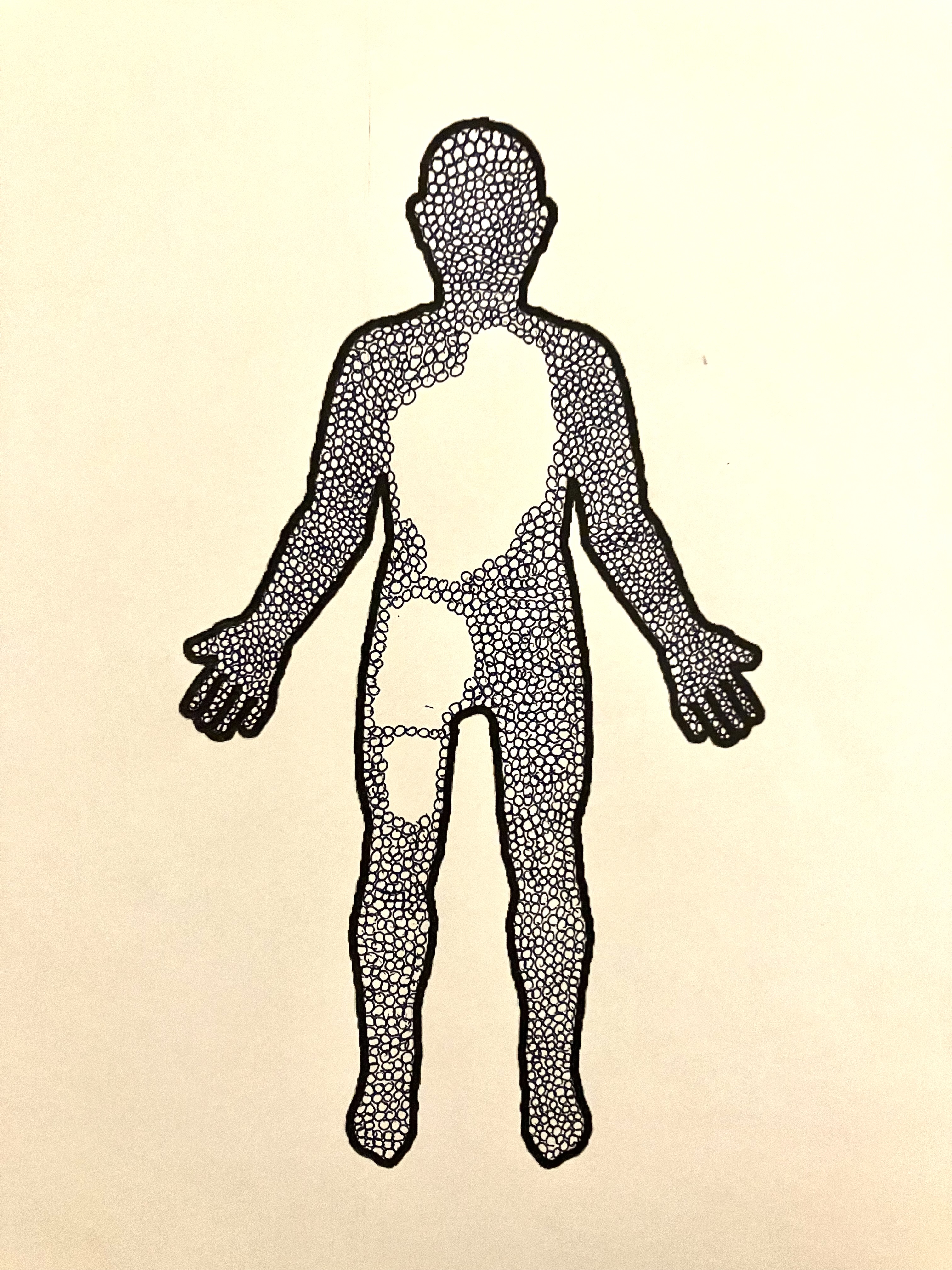
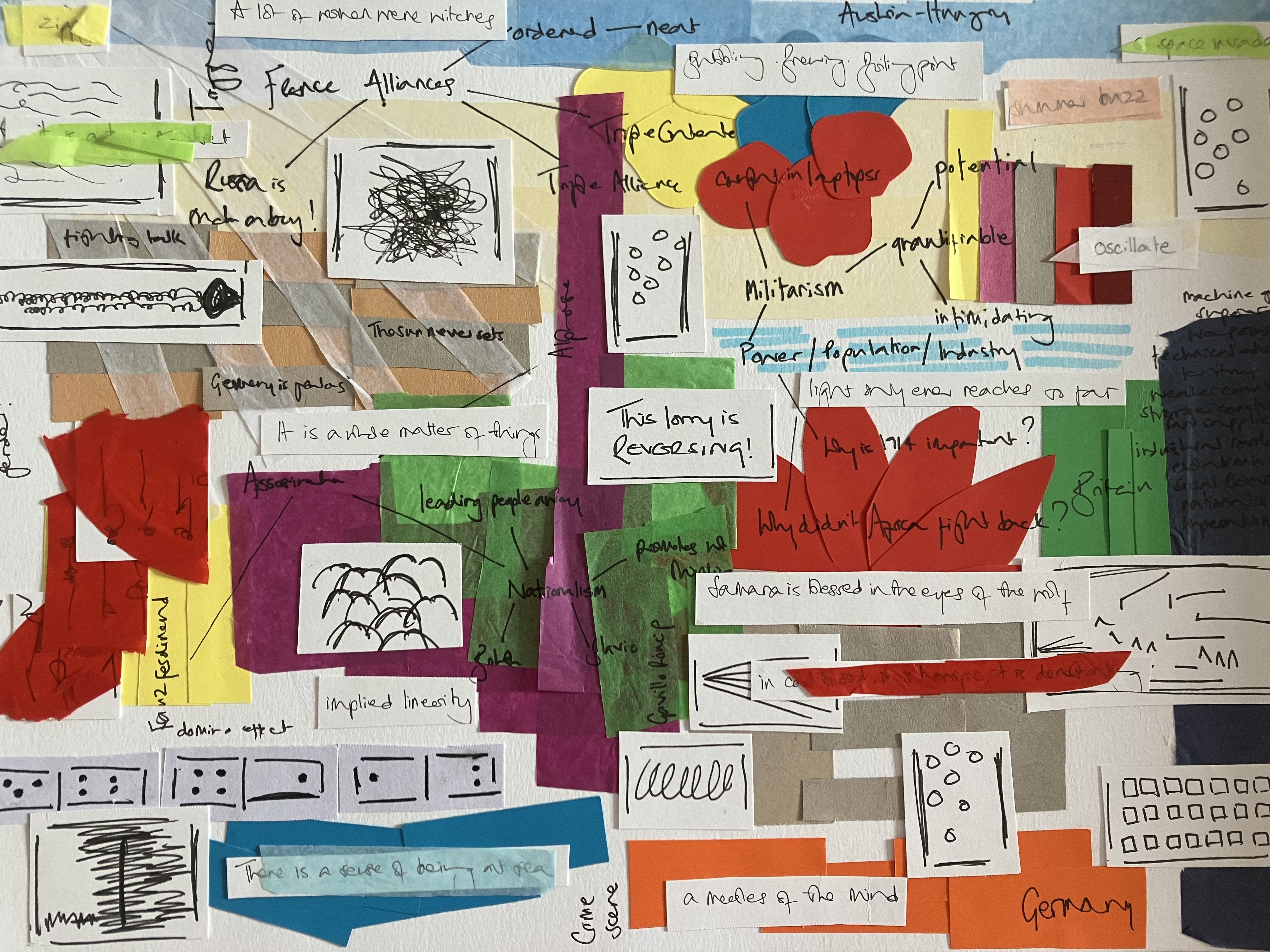
The Historical Affect Assemblage is one of the outcomes of the research project; an image. It is a hand crafted assemblage curated by the researcher about how the past emerged as significant for the two history classes involved in the project. The assemblage shows that historical significance is more than a judgement (the black lines indicate partipants' judgements); it emerges in the classroom assemblage and research assemblage. The same key themes about World War One are used to organise the assemblage but each cause is entangled and complex. Just like the wave of destabalizing time, historical significance rolls and unrolls, changing with every new event. This exposes the complexity of the history classroom.
Historical Affect Vignettes
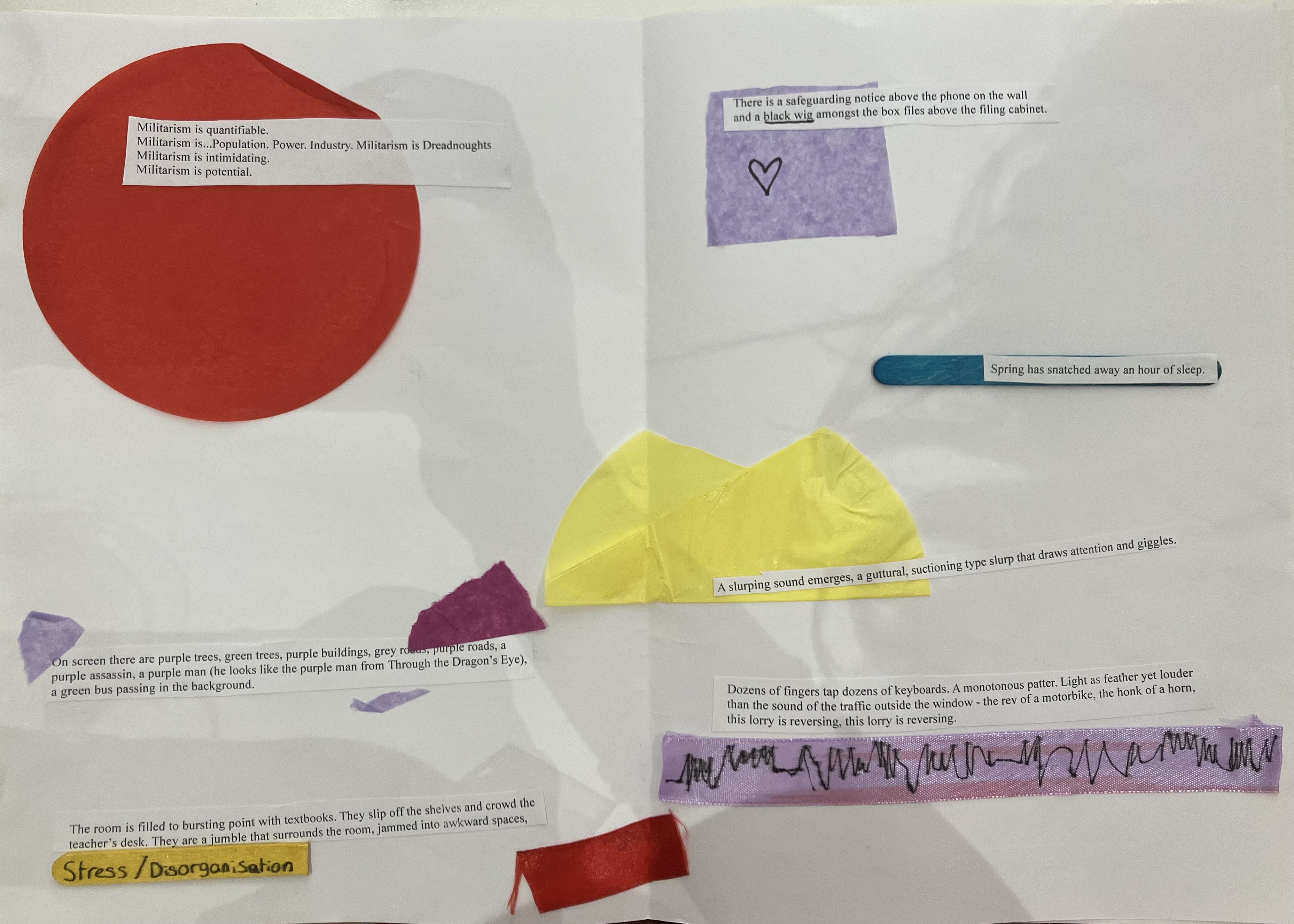
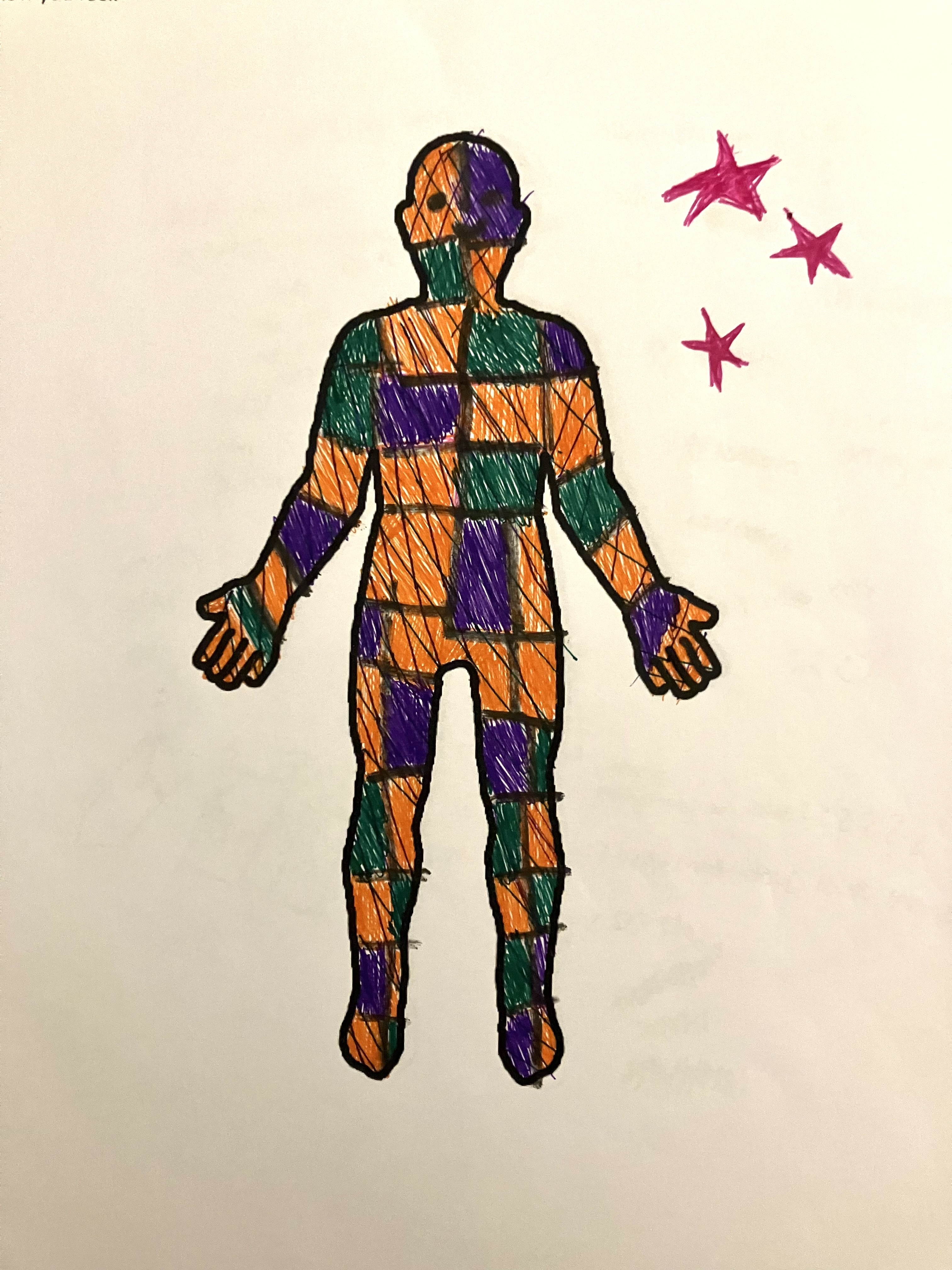
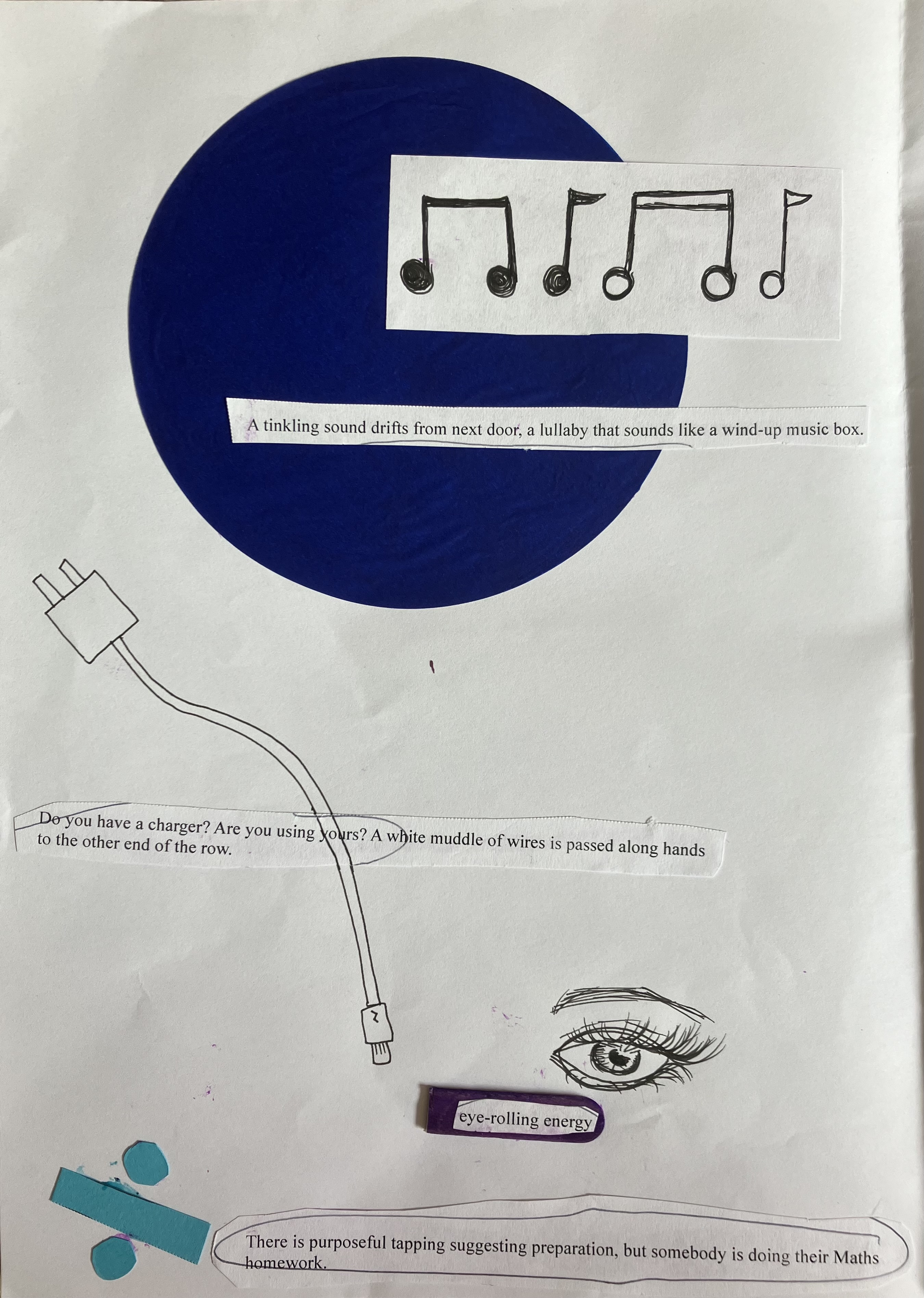
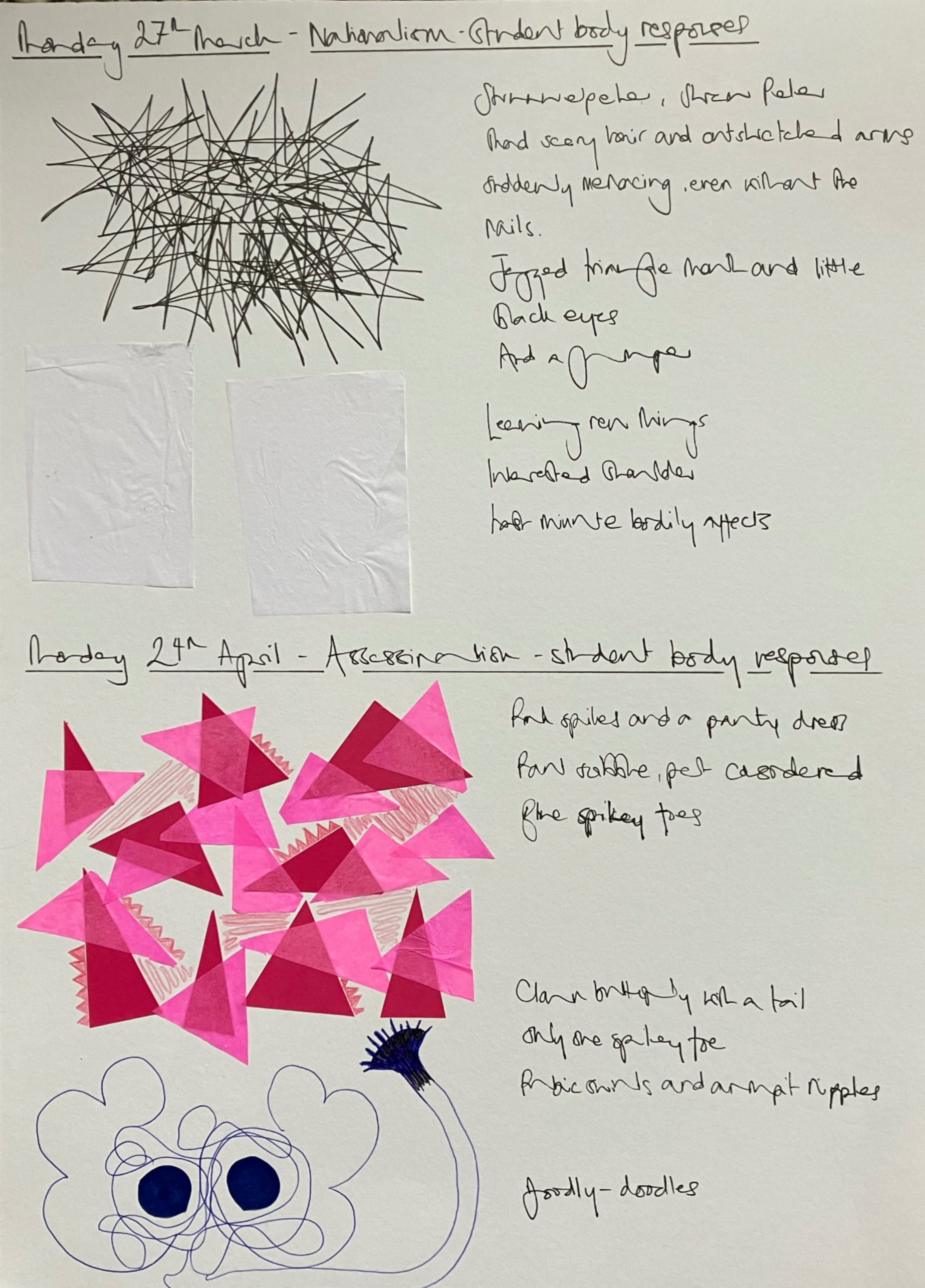
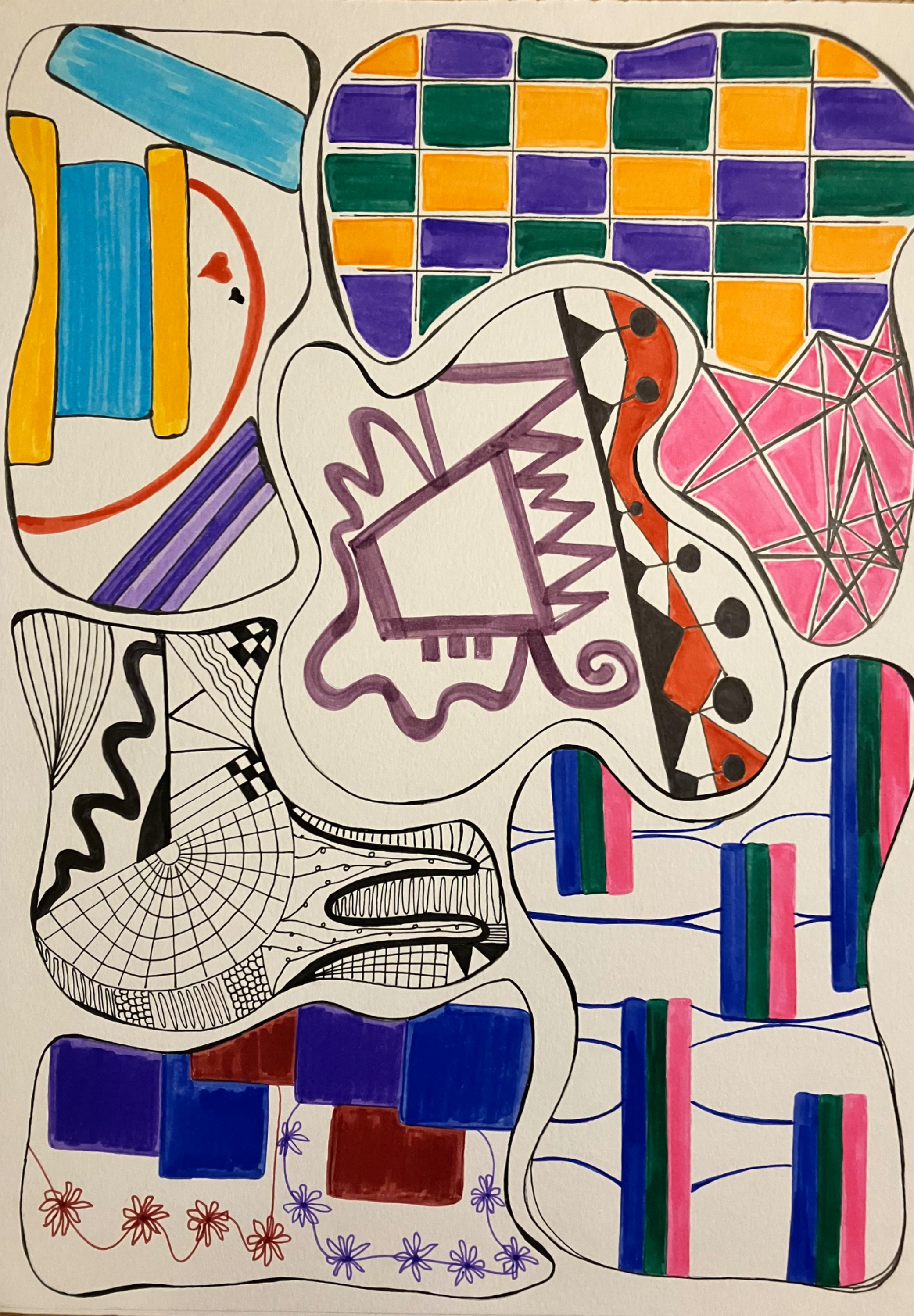
The historical affect vignettes are another outcome of the research project. They are also an image, a creative piece of writing that collect together different moments of affect from the classroom and research assemblage. The vignettes illustrate how historical facts are entangled with everyday ideas and the emergence of historical significance is a collective, embodied event. The below examples include extracts of the vignettes, participant crafted responses, and researcher-crafted art created in response to the emerging themes. This again illustrates how historical significance is like the wave that rolls and unrolls, changing with every new event, taking on new forms.


World War One rushes towards the students with a sense of impending doom. The leaders are on the edge, rushing headlong into an inevitability: the war. The build-up (the never ending build up) is nothing more and nothing less than a race, a threatened race, one student says.
Affect theorist scholar Massumi (2010) tells us that a future threat is not yet real but what is not ‘actually real can be felt into being’ (p. 54). The leaders on the edge feel a sense of impending doom, but the threat of war is just that for them, it is a threat. Students feel this affect from the past of a future threat; they catch feelings. This potent feeling justifies so many things because ‘in the past there was a future threat’ (p.54) and leaders made a choice and here we are. This is the ‘reality of nonexistence’ (p. 53), the affect of a past future fear.


Sophie (Fran Ferdinand’s wife) was pregnant when she was shot. Shot in her stomach next to her husband who was shot in the head. The pregnancy always gets them. On Monday: Oh, but the baby! On Wednesday: A chorus: she was pregnant! We were shook, says one student.
Human bodies are notably absent in the causes of World War One. This is not the same for Franz and Sophie. Their bodies are a site of violence and come shockingly into view. A punctual affect.
Oyewumi (1997) proposes that a lack of physical focus characterizes European philosophy. Rational agents are typically viewed as detached minds, whereas those labeled as the Other remain tied to their physical forms. In this context, the body is a constraint for women and marginalized groups. Traditional history often prioritizes abstract ideas as the primary drivers of change. For instance, scholars might focus on Gavrilo Princip's political motivations. However, students find a deeper connection through the physical presence of Franz and Sophie, specifically noting the violence directed at the head and stomach.



There is an everyday eye-rolling energy in here.
And what happened in 1914, asks the teacher. A deadpan answer from a student: the war. Too much effort to lift the chin from the cupped hand for this.
Things are sassy in here today!
North Face jackets.
Iconic.
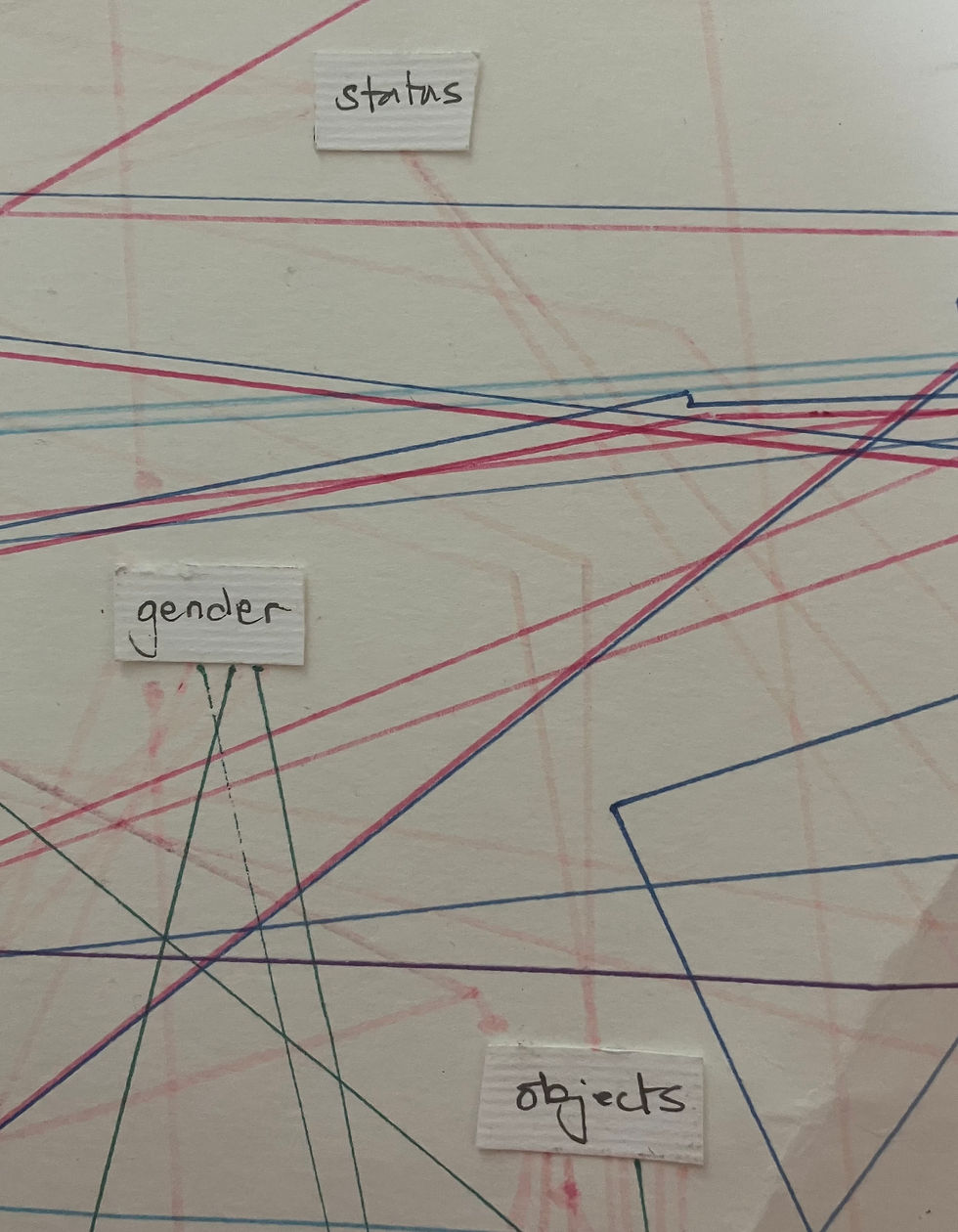
Certain things have a certain status. The North Face jackets have status. Germany has status over Russia. Jokes about second homes (that’s my holiday home, a castle) have status (in this school, where some students have holiday homes, or at least know what they are). A sassy, eye-rolling energy has status in the classroom.


Things change. Land is a resource (then and) now. Empires want it, kings want it, Kaisers want it. The British Empire had ¼ of it. It is money it is time it is change. Everybody wants it, really. Common sense. It is wealth and power and power and wealth. It is not entirely clear how. Unfortunately, there is exploitation and violence and war and invasion and conquering. That’s the colonisation. But that was before countries were created and everybody was vying for land.
Implications

Concept
The eternal return of historical significance is a concept for history education research which uses a destabilizing theory of time. It imagines the past as the wave that rolls and unrolls. It suggests the past emerges in assemblage and historical significance is more than a judgement. For history education research this means the focus should be the classroom and the collective rather than individual student’s judgements. The eternal return of historical significance positions the past as something that changes with every new history lesson meaning history classrooms are creating histories.

Teaching approach
A tangible, practical implication for history teachers in the classroom and history education practitioners in general is a new approach to teaching substantive knowledge, terms such as land, nation, country, militarism, alliance etc. Rather than seeing substantive knowledge as prototypes, examples to be memorised, each term should be seen as an entangled concept with multiple meanings and ontological ambiguity. The way we come to understand these terms does not simply change our knowledge of the past, it changes the our ways of understanding what the past is.

Practice
Crafting historical knowledge is a methodological practice for research and a pedagogical practice for history educators that compliments the eternal return of historical significance. It posits that history education research is a process of making rather than discovery. It encourages researchers to challenge their thinking when ‘analysing' data and consider the forms or outcomes produced in research projects and how they communicate findings.
Whereas previously Katy saw her role as a facilitator for students to ask their own questions of the past she now sees her role as a facilitator who creates the conditions for students to craft histories. This is a core value and aim of Crafting History. In her research, Katy named this positionally ‘history-teacher-as-craftsperson’.
Equally, Katy’s doctoral journey has provided her with a deep and detailed understanding of disciplinary historical knowledge and how this influences the current history curriculum in England as well as exam board expectations and criteria which has led to a more refined and focused teaching style for examinations.
Overall, Katy is committed to a holistic teaching practice that draws on the insights from her research while providing robust and creative experiences for students to learn about the past in a number of ways.